What If Your Family Could Share More Time—Without Adding Hours to the Day?
Imagine this: you’re juggling work, kids’ schedules, and dinner prep, while your partner’s buried in emails. Weekends vanish in chores and errands. Sound familiar? We all want more quality time with our family—but who has the time? What if the secret isn’t doing more, but connecting smarter? The good news: technology, especially when we join interest-based groups together, can quietly reshape how we share time, attention, and joy—with no extra hours needed. It’s not about finding more minutes in the day. It’s about making the moments we already have feel fuller, richer, and truly shared.
The Time Crunch We All Feel
Let’s be honest—most of us are running on empty. Mornings start with a rush: packed lunches, forgotten homework, mismatched socks, and someone always late for the school bus. By evening, you’re mentally drained before you even walk through the door. Dinner is a blur of reheated leftovers and quick check-ins: ‘How was your day?’ ‘Fine.’ ‘What did you do?’ ‘Nothing.’ Sound familiar? We’re physically in the same house, but emotionally, we’re scattered—each of us lost in our own screens, to-do lists, or stress loops.
And weekends? They’re supposed to be for rest and connection, but instead, they fill up fast. Grocery shopping, laundry, soccer practice, birthday parties, dog walks, oil changes. Before you know it, Sunday night rolls around and you realize you haven’t really talked to anyone in days. The emotional cost of this constant rush is real. We feel guilty. We feel disconnected. We love our families deeply, but we’re not showing up the way we want to. We’re together—but not really together.
Here’s the thing: time isn’t just about the clock. It’s about presence. It’s about shared attention, shared laughter, shared curiosity. And what if I told you that we don’t need to add more hours to the day to get that back? What if we could reclaim the time we already have—just by shifting how we use it? The key isn’t doing more. It’s connecting with purpose. And surprisingly, technology—yes, the very thing we often blame for stealing our attention—can actually help us get it back. Not by giving us more time, but by helping us make the time we have more meaningful.
How Interest Groups Quietly Bring Families Closer
Think about the last time you and your family got excited about something—truly excited. Maybe it was planning a trip, planting a garden, or trying a new recipe. That spark of shared enthusiasm? That’s the magic we’re after. And one of the quietest, most powerful ways to reignite that spark is by joining interest-based groups together—online communities centered around things you all enjoy, or might want to explore.
These groups aren’t about adding one more thing to your plate. They’re about creating a shared focus—a common thread that pulls your family’s attention toward something joyful and collaborative. When you and your kids join a photography challenge group, for example, you’re not just learning about camera settings. You’re sharing a lens—literally and figuratively—on the world. You start noticing the same things: golden light on trees, funny pet expressions, the way raindrops look on glass. Suddenly, you have something to talk about that isn’t homework, chores, or screen time limits.
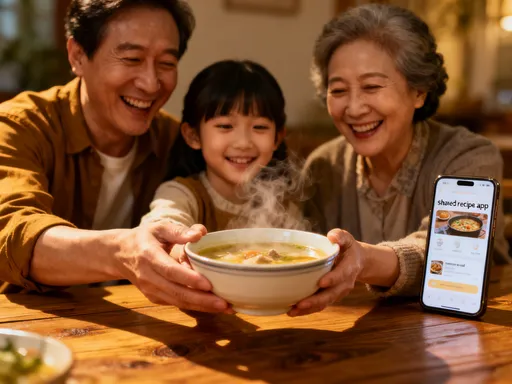
Or maybe your family loves food. There are thousands of cooking communities online—some focused on healthy meals, others on global cuisines, baking adventures, or quick weeknight fixes. When you join one together, you’re not just collecting recipes. You’re building a shared language of taste, texture, and tradition. You start saying things like, ‘Remember that Thai curry we tried from the group? Let’s make it again!’ or ‘I saw a video about homemade dumplings—want to try it this weekend?’ That’s not just cooking. That’s connection in action.
The beauty of these groups is that they don’t demand perfection. No one’s judging your slightly lopsided cake or your toddler’s messy finger painting. These spaces are about exploration, not expertise. And when families explore together, something shifts. The pressure to ‘perform’ fades. The focus moves from ‘Did we do it right?’ to ‘Did we enjoy it?’ And that’s where real bonding happens—through shared curiosity, not shared accomplishments.
Turning Shared Interests into Shared Time
Now, let’s talk about turning those online sparks into real-life moments. Because the goal isn’t just to scroll and save—we want to do, to experience, to be together. And the good news? It doesn’t take grand plans or big budgets. It starts with small, intentional choices—what I like to call ‘micro-moments of togetherness.’
Let’s say your family joined a local hiking group online. One weekend, someone posts about a nearby trail with a hidden waterfall. Instead of letting it just be another bookmarked idea, make it a plan. ‘Hey, I saw this trail with a waterfall—looks like about an hour drive. Want to check it out this Saturday?’ That one sentence can spark a whole day of shared adventure: packing snacks, spotting birds, taking silly photos at the top, laughing when someone slips on a wet rock. You’re not just getting exercise. You’re building memories—and inside jokes—that last far longer than the hike itself.
Or take a book club group. Maybe you and your teens joined one focused on young adult fiction. One month, the group picks a fantasy novel. Instead of just reading it alone, turn it into a family ritual. Read a chapter aloud together after dinner. Make themed snacks—dragon-shaped cookies or ‘potion’ smoothies. Talk about the characters like they’re real. ‘What would you do if you had that magic power?’ ‘Who would win in a fight—this hero or the one from the last book?’ These conversations go way beyond the plot. They reveal how your kids think, what they value, what scares them, what excites them. And you’re the one hearing it—not their friends, not their teachers. You.
The key is consistency, not intensity. You don’t need to plan a big outing every week. Sometimes it’s as simple as trying one recipe from your food group every Sunday. Or printing out photos from your nature walks and making a collage together. These small actions become touchstones—rituals that say, ‘We matter. This time matters.’ And over time, they build a rhythm of connection that doesn’t feel forced or scheduled. It feels natural. It feels like home.
Tech as the Bridge, Not the Barrier
I know what you’re thinking: ‘Wait—technology? Isn’t that the problem?’ And I get it. We’ve all seen the headlines: screens are stealing our attention, our sleep, our relationships. And yes, mindless scrolling, endless notifications, and solo gaming marathons can pull families apart. But here’s the truth: technology isn’t the enemy. It’s how we use it that matters.
When used with intention, tech can be a bridge—not a barrier. Think of it like a kitchen tool. A knife can be dangerous if you’re careless. But in the right hands, it helps you make a beautiful meal. Same with apps and platforms. They’re tools. And when we use them to organize, inspire, and connect, they can actually give us more breathing room in our days.
Take shared calendars. How many times have you double-booked your kids’ activities or missed a parent-teacher conference because it wasn’t on your radar? A simple family calendar app—where everyone can see and update plans—cuts down on confusion and last-minute scrambles. It’s not about surveillance. It’s about clarity. When everyone knows what’s coming, there’s less stress, fewer arguments, and more space to just be together.
Or consider shared to-do lists. Instead of nagging your kids to pack their gym clothes or reminding your partner to buy milk, create a list everyone can access. When someone checks off a task, it’s not a chore—it’s a tiny win. ‘I did it!’ ‘Nice job!’ These little moments build cooperation, not conflict. And when the house feels more organized, it feels more peaceful. You’re not spending energy on reminders and re-dos. You’re saving it for what really matters—like bedtime stories or Saturday morning pancakes.
And let’s not forget photo-sharing albums. So many of us take photos but never look at them again. But when you create a private family album—where everyone can add pictures from school events, weekend trips, or just silly moments at home—something beautiful happens. You start seeing your life through each other’s eyes. Your daughter might post a photo of her science project that made her proud. Your son might share a sunset he noticed on the way home. These aren’t just images. They’re invitations to connect. ‘Tell me about this!’ ‘That looks amazing—how did you do it?’ Technology, used this way, doesn’t pull you apart. It helps you see each other more clearly.
Making It Work: Simple Steps to Start
Okay, so how do you actually start? The answer is simpler than you think: begin small. Don’t try to overhaul your family’s entire digital life overnight. Pick one interest—just one—that feels doable and fun. Maybe it’s baking. Maybe it’s stargazing. Maybe it’s board games. Then, find one online group around that interest. Search terms like ‘family cooking ideas,’ ‘beginner hiking trails,’ or ‘easy science experiments for kids’ can lead you to active, welcoming communities.
Next, invite your family in—gently. No pressure. No expectations. Try something like, ‘Hey, I found this group where people share fun weekend recipes. Want to check it out with me? Maybe we can pick one to try together.’ Or, ‘There’s a local garden group sharing tips on growing tomatoes. Remember how we talked about planting some? Want to look at their photos?’ Keep it light. Keep it optional. The goal isn’t to force participation. It’s to open a door.
Then, create a tiny ritual around it. Maybe it’s ‘Sunday group check-in time’—15 minutes after breakfast where you all gather with your devices and browse the group together. Or ‘Friday night pick’—where you choose one activity from the group to try over the weekend. The ritual doesn’t have to be long. It just has to be consistent. And when it becomes a habit, it becomes a heartbeat—a small, steady pulse of connection in your week.
And if it doesn’t go perfectly? That’s okay. Some weeks, no one will care. Some recipes will flop. Some hikes will be rainy. But that’s not failure. That’s real life. The point isn’t perfection. It’s presence. It’s showing up, together, even in the mess. And over time, those imperfect moments become the ones you remember most.
When Kids or Parents Join In
One of the most beautiful things about shared interest groups is how they bring generations together—not just side by side, but truly into each other’s worlds. Think about your teenager. They might seem glued to their phone, lost in their own world. But what if that phone was a bridge instead of a wall? Many teens are already in online communities—around music, gaming, art, or social causes. Instead of seeing those spaces as distractions, what if you stepped in—curiously, respectfully?
‘I saw you’re in that music challenge group. Who’s your favorite artist right now?’ ‘That game you’re playing—what’s the story about?’ You don’t have to become an expert. You just have to show interest. And when you do, something shifts. Your teen feels seen. They feel respected. And slowly, they might start inviting you in. ‘Hey, want to hear this remix I made?’ ‘This level is so hard—want to watch me try it?’ These aren’t just conversations. They’re connections being rebuilt, one shared interest at a time.
And what about older family members? Grandparents, parents, aunts, uncles—many of them are discovering new passions through senior-friendly groups. There are online communities for knitting, genealogy, birdwatching, memoir writing, and even tech help. When younger family members join those spaces—even just to look, to listen, to learn—it creates a beautiful loop of exchange. Your mom teaches you how to knit a scarf from her group’s tutorial. You help her post her first photo to the family album. Your uncle shares stories from his family tree research. You help him scan old photos. These moments aren’t just about skills. They’re about legacy. They’re about saying, ‘Your life matters. Your stories matter. And I want to be part of them.’
When different generations engage around shared interests, it builds something rare and precious: mutual respect. Kids learn patience. Adults learn curiosity. Everyone learns that connection isn’t about age. It’s about attention. And when we give each other that—genuinely, warmly, consistently—we build a family culture that’s resilient, loving, and deeply connected.
The Ripple Effect: Calmer Days, Fuller Lives
When you start using technology to support shared interests and intentional time, something subtle but powerful begins to happen. The chaos doesn’t disappear—but it feels more manageable. The days don’t get longer—but they feel fuller. And over time, you notice shifts you didn’t expect: fewer arguments, more laughter, deeper conversations. You start feeling more like a team—and less like roommates just passing through.
There’s a quiet rhythm emerging. You know what’s coming. You feel heard. You feel included. And when life gets hard—and it will—those small moments of connection become your anchor. Because you’ve built something deeper than a schedule. You’ve built trust. You’ve built joy. You’ve built a family culture where everyone feels they belong.
And here’s the most beautiful part: you didn’t need more time. You just needed to use the time you already had—more wisely, more warmly, more together. Technology didn’t fix your life. But it helped you focus on what matters. It helped you turn everyday moments into shared meaning. It helped you remember that family isn’t about perfection. It’s about presence. It’s about showing up, again and again, with curiosity, with care, with love.
So tonight, maybe don’t ask, ‘How was your day?’ Try something different. ‘Did you see anything cool online today?’ ‘Want to check out that recipe together?’ ‘Remember that trail we talked about? Let’s go this weekend.’ Let the smallest invitation open the door to something bigger. Because the time you have is enough. And when you share it with purpose, it becomes everything.