What If Learning New Skills Could Keep Your Loved Ones Safer Every Day?
Imagine helping your aging parent feel more confident at home—not by doing everything for them, but by giving them simple tools that make daily life easier. What if a few minutes on a tablet could help them remember medications, prevent falls, or stay connected with family? Skill learning apps aren’t just for students or professionals. For older adults, they can be quiet allies in staying independent, capable, and safe—right in their own homes. These small digital helpers don’t replace love or care—they deepen it, by giving your mom, dad, or grandparent the chance to do more on their own, with dignity and joy.
The Quiet Struggle Behind Independent Living
You know that moment when your mom calls, not because she needs anything urgent, but just to ask, "How do I turn on the camera again?" It’s not really about the camera, is it? It’s about not wanting to feel lost in a world that moves faster than she does. So many older adults want to stay in their homes, in the spaces where memories live, where the chairs fit just right and the garden knows their name. But independence isn’t just about having a key to the door—it’s about feeling capable, day after day.
Small challenges, the kind no one talks about at family dinners, can quietly chip away at that sense of control. Forgetting whether the morning pill was taken. Feeling embarrassed when the video call with the grandkids freezes and no one’s voice comes through. Hesitating to cook a favorite dish because the new oven has too many buttons. These aren’t emergencies, but they’re real. And over time, they add up to something heavier: isolation, anxiety, even fear of falling—not just physically, but emotionally.
We worry. Of course we do. But jumping in to fix everything can accidentally send the message: "You can’t do this alone." That’s not what we want. What we really want is for them to feel strong, to know they can handle their day without needing to call us for every little thing. The truth is, safety isn’t just about grab bars in the bathroom or emergency buttons on a necklace. It’s also about confidence. It’s about being able to say, "I’ve got this," even if your hands shake a little or your eyes aren’t what they used to be.
How Skill Learning Apps Work—Without Feeling Like “Learning”
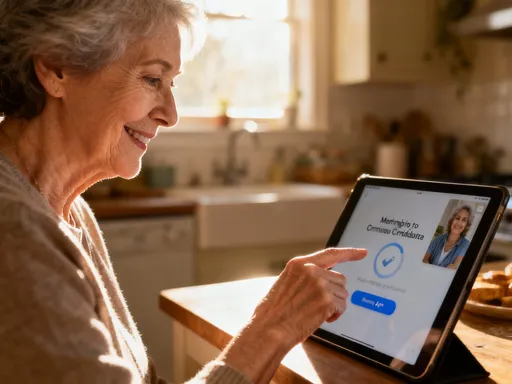
Now, picture this: your dad sits with his tablet, not scrolling aimlessly, but watching a short video that shows, step by step, how to reply to a message from his grandson. The voice is calm, the words clear, the screen bright. There’s no quiz at the end, no grade, no pressure. Just a gentle, "Let’s try that together." That’s how modern skill learning apps are designed—not like school, not like training, but like having a patient friend nearby, always ready to help.
These apps don’t ask users to memorize menus or master jargon. They meet people where they are. Large buttons. Simple language. Voice guidance that reads instructions aloud. Some even let you tap once and hear, "This is how you start a video call," while a friendly face on screen demonstrates it slowly. No rushing. No judgment. And the lessons? Most take less than ten minutes. Think of them as micro-moments of learning—just enough to get one thing right, today.
One of the most powerful features is how these apps turn confusing tasks into clear routines. Instead of saying, "Use the app," they say, "Tap the green icon. Wait. Now speak into the screen." It’s not about technology for technology’s sake. It’s about using tech to remove friction from life. And the best part? You don’t have to be the teacher. You don’t have to repeat yourself. The app becomes the guide, and your role shifts from fixer to supporter. That’s a gift—for them, and for you.
Building Confidence Through Daily Wins
Have you ever seen your mom’s face light up when she sends her first photo to the family group chat—all by herself? That smile isn’t just about the picture of her roses. It’s about proving something to herself: "I can learn. I’m not too old for this." Those small victories matter more than we realize. They’re not just about tech skills—they’re about self-trust.
When an older adult completes a lesson—say, setting up a daily pill reminder or learning how to adjust the font size on their phone—they’re not just ticking off a task. They’re rebuilding a sense of control. And that confidence doesn’t stay in one corner of life. It spreads. If I can figure out the tablet, maybe I can try that new recipe. If I can video call my granddaughter, maybe I can join the book club online. These apps don’t just teach skills—they reignite curiosity.
What makes this possible is the way these tools break big tasks into tiny, doable steps. No overwhelm. No frustration. Just progress. One tap. One voice prompt. One success. Over time, users begin to expect that they *can* figure things out. That shift—from "I can’t" to "Let me try"—is priceless. And it’s not just emotional. Studies show that when older adults feel more capable, they’re more likely to stay active, socially engaged, and mentally sharp. Feeling useful isn’t just a nice feeling—it’s a health booster.
Bridging the Gap Between Generations
Let’s be honest—teaching your parents how to use technology can be… tricky. You want to help, but you’re busy. They want to learn, but they don’t want to feel slow. And before you know it, a simple question turns into, "I told you this last time!" Sound familiar? That tension isn’t about love—it’s about mismatched rhythms. You speak tech fluently. They’re learning a new language.
Skill learning apps quietly change that dynamic. Instead of you being the instructor, you become the connector. "Mom, there’s a quick lesson that shows how to save photos. Want to watch it together?" That simple shift removes pressure. It’s not you teaching—it’s both of you learning, side by side. And when she gets it right, the pride is all hers.
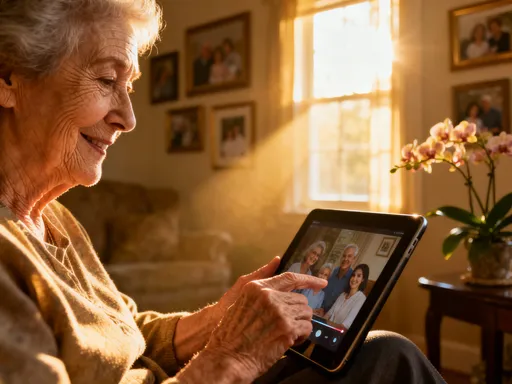
Better yet, these apps can become shared experiences. Imagine following a cooking tutorial together over a video call—her in the kitchen, you guiding her through the app’s steps. Or watching a short lesson on how to play digital bingo with friends from her senior group. These aren’t just tech lessons. They’re moments of togetherness. The app handles the how; you enjoy the what. And over time, the digital space becomes a bridge, not a barrier—one that lets love flow more freely across miles and generations.
Real-Life Impact: From Medication to Mobility
It’s easy to think of tech as something for entertainment—videos, games, social media. But for older adults, the most powerful apps are the ones that support health and safety in quiet, practical ways. Consider medication management. Forgetting a dose—or taking a double—can have serious consequences. Yet calendars and sticky notes get lost or ignored. Now, imagine an app that doesn’t just beep, but gently says, "Time for your blood pressure pill," and shows a picture of the actual tablet. Some even let you tap to confirm, "I took it," and send a quiet update to a family member.
Or think about falls—one of the biggest risks for older adults. Many apps now offer short, guided balance exercises, demonstrated by real physical therapists. Five minutes a day, right in the living room. No gym, no embarrassment. Just a little movement that builds strength and confidence. Some even include tips on how to spot early signs of dizziness or weakness, helping users notice changes before they become problems.
And it’s not just physical health. Mental clarity matters too. Apps that guide users through simple memory games or daily routines—like making a shopping list or tracking appointments—help keep the mind active. The goal isn’t to turn them into tech experts. It’s to give them tools that support independence, day after day. These aren’t medical devices, so they don’t diagnose or treat. But they do promote awareness, routine, and peace of mind—three things every family wants for their loved ones.
Choosing the Right App: Simplicity Over Features
Not all apps are created equal—especially when it comes to older adults. You’ve probably seen apps packed with features: charts, settings, notifications, multiple tabs. That might impress a tech reviewer, but for someone learning at 75, it’s overwhelming. The best apps for this purpose aren’t the fanciest. They’re the simplest.
Look for a few key things. First, ease of setup. If it takes more than five minutes to get started, it’s probably too complicated. Second, voice navigation. Being able to say, "Open the reminder lesson," is a game-changer for those with vision or dexterity challenges. Third, large text and high-contrast colors. No tiny fonts. No gray on white. Just clear, easy-to-read screens.
Also consider offline access. What good is a lesson if it won’t load without Wi-Fi? And slow-motion playback—because sometimes, you just need to see that step again, at your own pace. The best way to choose? Try it together. Sit down with your loved one for ten minutes. Let them tap around. Watch where they hesitate. Notice what makes them smile. The right app won’t feel like work. It’ll feel like help—quiet, kind, and always available.
A New Kind of Care: Support That Empowers, Not Controls
We all want to care for our parents, our spouses, our elders. But care doesn’t mean taking over. Real care means seeing someone not as fragile, but as capable. It means giving them tools instead of doing tasks for them. Skill learning apps represent a quiet revolution in how we support aging—not by watching, but by empowering.
When your mom learns to send a photo, set a reminder, or join a virtual class on her own, it’s not just convenience. It’s dignity. It’s the message: "You still grow. You still learn. You still belong." And for you, as a caregiver, it brings peace. You’re not constantly on call. You’re not worried about missed pills or loneliness. You know they have support—patient, consistent, and always ready.
And here’s the beautiful part: this doesn’t replace human connection. It deepens it. Because now, your calls aren’t about fixing problems. They’re about sharing joy. "Look what I did!" becomes a regular phrase. "Let me show you" replaces "Can you help me?" That shift changes everything. Technology, at its best, doesn’t distance us. It draws us closer—by giving our loved ones the strength to stand on their own, so they can reach out to us from a place of confidence, not need.
So what if learning new skills could keep your loved ones safer? It already can. One tap at a time. One lesson. One small win. These apps aren’t magic. But they are meaningful. They’re about more than buttons and screens. They’re about love, expressed through patience, support, and the belief that it’s never too late to learn. And when we give that gift, we don’t just make life easier—we make it richer, fuller, and more deeply connected. That’s the kind of care that lasts. That’s the future we can build, together.