I’ll organize it later" became my chaos: How block planning tamed our community’s health records
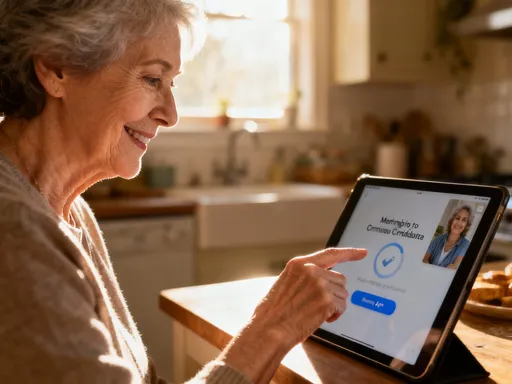
You know that pile of papers on the kitchen counter—medical forms, vaccine cards, lab results—you keep meaning to sort but never do? I felt the same, until our neighborhood mom group turned chaos into calm. We didn’t need fancy tools, just a smart way to block time and share the load. What started as a simple calendar trick transformed how we manage health records, protect our families, and actually *get things done*. This is how we made order out of mess—without burnout.
The Pile That Started It All: When “Later” Became Never
It was a rainy Tuesday when the breaking point came. Sarah called me in a panic—her youngest, Noah, had just started at a new preschool, and they needed proof of his MMR vaccine. She’d sworn she’d packed it in his enrollment folder. But after tearing through three drawers, two backpacks, and the glove compartment of her car, nothing. “I know I had it,” she kept saying. “I meant to scan it. I was going to do it later.” We all know how that story ends—later never came. She ended up driving across town to her old pediatrician’s office, praying they’d have a copy on file. They did—but just barely.
That moment hit close to home for all of us. Because every mom in our little group had a version of that story. Mine involved my daughter’s severe nut allergy. When we moved last summer, I thought I’d packed her emergency action plan with the rest of the medical files. I didn’t. And when she broke out in hives at a birthday party, I had no documentation to give the parents. I stood there, shaking, trying to explain her care protocol from memory. It was terrifying. I knew the basics, of course, but details like dosage timing and doctor contact info? Gone. We were all doing our best, but our systems—or lack of them—were failing us.
We started talking more openly after that. Over coffee, at soccer practice, during school pickup lines, we’d compare notes. One mom missed her son’s flu shot deadline because the reminder got buried in a sea of school emails. Another showed up to a specialist appointment with the wrong insurance form—again. We’d laugh it off, saying things like, “Mom brain,” or “I’m just not the organized one.” But the laughter didn’t hide the stress. There was real fear underneath—fear of letting our kids down, fear of medical mistakes, fear of being unprepared when it mattered most. And we realized: we weren’t disorganized because we didn’t care. We cared too much. But caring wasn’t enough without a system that worked for real life.
From Guilt to Group Power: Why We Stopped Trying to Do It Alone
For years, I thought managing my family’s health records was my personal responsibility—and my personal failure. Every time I forgot a form or lost a lab result, I felt like I’d dropped the ball. I’d see those perfectly color-coded mom bloggers online and think, How do they do it? Do they have more time? More energy? But when we finally opened up to each other, we discovered something powerful: everyone was struggling. The difference wasn’t that some moms were better at organizing. The difference was that some were better at hiding it.
What changed everything was when Lisa said, “I missed my daughter’s tetanus booster by two months. I didn’t even realize until the school nurse called.” There was silence. Then Sarah said, “I forgot to renew my husband’s blood pressure meds. He ran out for a week.” And then another mom admitted she’d been using her phone notes app to track her son’s asthma attacks—and lost the data when her phone died. We weren’t lazy. We weren’t careless. We were just trying to do too much in the cracks of the day—in the five minutes before school, during naptime, or after bedtime when we were too tired to think straight.
That’s when we realized the problem wasn’t us—it was the timing. We were trying to handle complex, important tasks in moments that were anything but. Health administration isn’t something you can do half-awake on your phone while stirring mac and cheese. It needs focus. It needs attention. It needs time. And time, we learned, is a resource we can protect—together. The idea of block planning didn’t come from a productivity guru. It came from us, sitting in Lisa’s living room, exhausted and honest. We decided to stop treating health records like a chore to squeeze in—and start treating them like a priority we could guard.
The 90-Minute Fix: How We Blocked Time and Built a System
We didn’t start big. We started with one promise: one Saturday morning a month, 90 minutes, no kids, no distractions. We rotated hosting duties—coffee at Sarah’s, tea at Maria’s, breakfast pastries at my place. We called it “Health Check-In Hour,” even though it usually ran a little longer. The first time, we weren’t sure what to expect. Would we actually get anything done? Would it feel like work? But from the moment we sat down with our folders and laptops, something shifted. This wasn’t just about paperwork. It was about showing up for each other.
We used shared digital calendars—Google Calendar for most of us, Apple Calendar for a few—and blocked the time like we would a doctor’s appointment. That meant no scheduling over it, no “I’ll be 10 minutes late,” no last-minute cancellations unless absolutely necessary. That block became sacred. And because we knew we had this time reserved, we didn’t feel the constant pressure to “get around to it” during the week. The mental load lightened just knowing we had a plan.
During those 90 minutes, we’d go through our family folders one by one. We’d scan recent lab results, update vaccination records, and check upcoming appointments. We’d remind each other: “Hey, didn’t Mia need a sports physical?” or “Is your dad’s medication list up to date?” We’d help each other log into patient portals, troubleshoot upload errors, and rename files so they were easy to find later. One of us—bless her—taught us how to use batch scanning on our phone apps so we could digitize a stack of papers in under five minutes. It wasn’t about being perfect. It was about being consistent. And consistency, we learned, builds confidence.
Tech That Fits Real Life: Simple Tools That Actually Worked
Here’s the truth: we didn’t need fancy software. We didn’t need blockchain or AI-powered health assistants. What we needed was something simple, reliable, and easy to use—especially on days when we were tired or overwhelmed. So we stuck to three core tools: a shared cloud folder, a shared calendar, and a basic spreadsheet. That’s it.
We created a password-protected folder in Google Drive and named it “Family Health Hub.” Inside, we set up subfolders for each family—just first names, no last names, for privacy. Each of us had access, but only to our own files and a shared emergency folder. We used two-step verification and made sure our devices were locked. Security mattered, but so did access. We didn’t want to create a system so locked down that no one could use it in a crisis.
The shared calendar was our lifeline. Every vaccination due date, prescription refill, specialist visit, and school physical went on the calendar with a reminder set for two weeks in advance. We used color-coding—blue for kids, green for adults, red for urgent deadlines—so we could scan the month at a glance. And the spreadsheet? It was nothing fancy. Just a simple Google Sheet with columns for name, vaccine type, date given, next due date, and notes. We updated it during our monthly check-ins and shared it with our partners so everyone was on the same page.
One of the most useful things we added was a set of printed QR codes. One mom, who works in IT, showed us how to generate a QR code that linked directly to our family’s emergency health summary—a one-page document with allergies, medications, emergency contacts, and doctor info. We printed them small and taped them to the back of our kids’ school IDs. The school nurse has the code on file now. If something happens, they scan it and have the info in seconds. No searching, no calling, no panic. Just peace of mind.
More Than Files: How This Changed Our Days—and Our Trust
The biggest surprise wasn’t that our records got organized. The biggest surprise was how much lighter we all felt. It wasn’t just about saving time—though we did. It was about lifting the invisible weight of “I need to remember this.” That mental load we’d been carrying for years? It started to dissolve. We weren’t constantly worried about missing a deadline or losing a form. We knew where to look. We had backups. We had each other.
And then, something deeper happened. We became each other’s safety net. When Maria’s father had a sudden heart issue, she called us in tears, asking if anyone had a copy of his medication list. I pulled it from the shared folder within minutes and sent it to her. When Tom’s son had an allergic reaction at a friend’s house, Sarah texted me the allergy sheet—we had it ready in 30 seconds. These weren’t just conveniences. They were lifelines.
But even more than that, our relationships changed. We weren’t just neighbors who waved from our driveways. We were allies. We started checking in between meetings—not just about health records, but about how we were doing. Who needed a meal? Who was feeling overwhelmed? Who just needed to talk? The trust we built around health information spilled over into everything else. We weren’t just managing data. We were building a community of care.
How to Start Your Own Circle: A Realistic First Step
You don’t need a big group. You don’t need perfect systems. You don’t even need to be tech-savvy. All you need is one other person who feels the same way you do—overwhelmed, behind, tired of apologizing for being “disorganized.” Start with a conversation. Ask, “Do you ever feel like you’re just one missed form away from chaos?” Chances are, they’ll say yes.
Then, pick a date. Just one. Block 60 minutes on your calendar—make it non-negotiable, like a doctor’s appointment. Use tools you already have. If you don’t use Google Drive, try Dropbox or iCloud. If spreadsheets scare you, start with a simple list in Notes. The goal isn’t perfection. It’s progress. Share one document. Set one reminder. Celebrate that you showed up.
And if someone cancels? No guilt. Life happens. Just reschedule. This isn’t about discipline. It’s about care—care for your family, care for your time, care for your peace of mind. The magic isn’t in the tools. It’s in the commitment to show up, again and again, for the things that matter. And when you do it with someone else, it stops feeling like a chore and starts feeling like connection.
Time Is the Real Technology: Reclaiming Calm, One Block at a Time
In a world that glorifies busyness, where we’re told to do more, faster, with less, the most radical thing we’ve done is this: we’ve protected time. Not for scrolling, not for side hustles, not for endless to-do lists. We’ve protected time for what keeps our families safe, healthy, and connected. Block planning didn’t just help us organize health records. It helped us reclaim our calm.
We stopped feeling like we were always behind. We stopped apologizing for forgetting. We started showing up—prepared, confident, and together. Because health isn’t just something we manage at the doctor’s office. It’s something we nurture every day, in the small choices we make. Choosing to block time wasn’t just a scheduling trick. It was a declaration: This matters. We matter.
And when we guard that time, we don’t just protect files. We protect peace. We protect trust. We protect the quiet moments that make life feel manageable. That pile on the kitchen counter? It’s gone. Not because we became super-organized. But because we stopped trying to do it alone. We found a better way—one block, one scan, one shared folder at a time. And if we can do it, so can you. Start small. Start today. Your future self—and your family—will thank you.