I kept saying 'I’ll fix my schedule tomorrow' — this app finally made me stop lying to myself
We’ve all been there — promising to start fresh, balance work and life, finally get organized… only to repeat the same cycle by noon the next day. I struggled too, until I found a personal growth app that didn’t just track my habits, but understood my excuses. It didn’t judge. It nudged. And slowly, I stopped overworking, started living. This is the story of how technology helped me reclaim my time, peace, and presence — without the pressure. It wasn’t magic. It wasn’t a 5 a.m. routine or a 30-day challenge. It was something quieter, smarter, and deeply personal — a tool that met me in my chaos and gently guided me back to myself.
The Breaking Point: When "Busy" Became My Identity
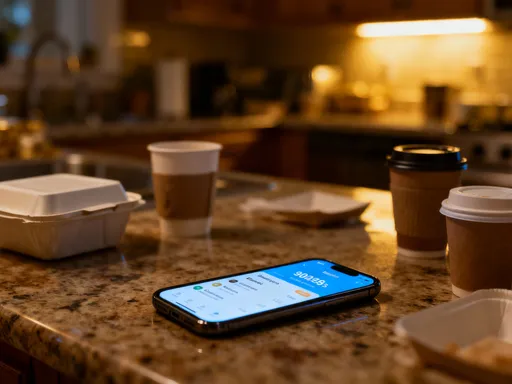
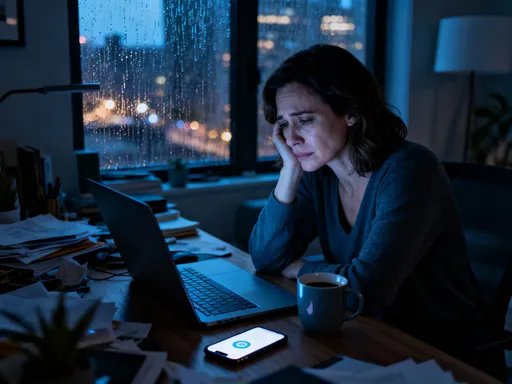
For years, I wore "I’m so busy" like a badge of honor. If I wasn’t rushing, was I even doing enough? My calendar was color-coded chaos — meetings back-to-back, personal tasks buried under work emails, family time squeezed into the margins. I told myself I was building something meaningful. But the truth? I was running on fumes. I remember one Tuesday when I realized I hadn’t sat down for lunch in three days. Not because I was traveling or in crisis — just because I kept saying, "I’ll eat after this one thing." That "one thing" turned into five, and by 9 p.m., I was heating up leftovers standing at the kitchen counter, one hand on my phone, the other shoveling food like I was refueling a machine.
And it wasn’t just about meals. I missed my niece’s birthday call because I was on a last-minute Zoom. I forgot to call my best friend back — twice — and when I finally did, she said, "You sound exhausted." She was right. I was. My body ached from sitting too long, my mind buzzed with unfinished tasks, and my heart felt heavy with guilt. I kept thinking, "Tomorrow, I’ll do better." But tomorrow looked exactly like today. The promises I made to myself — to slow down, to be present, to take care — kept getting pushed aside. I wasn’t living. I was surviving. And the worst part? I didn’t even know how to stop. I didn’t need more motivation. I needed a system that worked with my real life, not against it.
The App That Didn’t Pretend to Have All the Answers
I’ve tried a lot of apps. The ones that cheer you on with fireworks when you complete a task. The ones that guilt-trip you with red X’s when you miss a day. The ones that make you feel like a failure for not meditating 20 minutes every morning or journaling with perfect penmanship. I’d download them with hope, use them for three days, then delete them in frustration. They felt like they were built for someone else — someone with more time, more energy, more discipline.
Then I found this one. No flashy interface. No pushy notifications. No leaderboard comparing me to strangers. It didn’t open with "Let’s crush your goals today!" Instead, it asked, softly, "How are you feeling right now?" That simple question stopped me. No app had ever asked that. Most assumed I was ready to hustle. This one paused. It treated me like a person, not a productivity project. Over time, it learned to check in with small, meaningful prompts: "Did you drink water today?" "When was the last time you took a breath just to feel the air?" "What’s one thing you’re grateful for right now?" These weren’t tasks to complete. They were invitations to notice. And slowly, that shift — from doing to being — changed everything. The app didn’t try to fix me. It helped me see myself more clearly.
How It Learned My Patterns (Without Feeling Creepy)
I’ll admit — at first, I was nervous. I didn’t want another app watching me, judging me, selling my data. I’ve had fitness trackers that scolded me for not hitting 10,000 steps. I’ve had calendar apps that turned my free time into "available slots" for other people. But this one felt different. It didn’t demand constant input. It didn’t need every detail of my life. Instead, it used just enough data — my responses to check-ins, the times I opened the app, the goals I set — to notice patterns.
One week, it gently noted, "You usually skip breaks on Tuesdays." I blinked. That was true. Every Tuesday, I had back-to-back client calls, and I’d tell myself I’d catch up later. I never did. Another time, it said, "You’re 30% more likely to log a good mood when you walk after dinner." I hadn’t even realized that. But once I saw it, I started making it a habit. The insight wasn’t forced. It felt like the app was holding up a mirror — not to shame me, but to help me understand myself. And because it didn’t collect unnecessary data or share it with third parties, I never felt exposed. It was like having a thoughtful friend who pays attention — not because they’re keeping score, but because they care.
Small Shifts That Actually Stuck
I used to think change had to be big. I’d try to overhaul my entire routine — wake up at 5 a.m., meditate, journal, workout, eat clean. And by day three, I’d fail. Then I’d give up. The cycle was exhausting. This app taught me a different way: start small, stay consistent. Instead of setting a goal like "be more present," it helped me break it down into something doable — "put your phone in another room during dinner." Instead of "exercise more," it suggested "take a 10-minute walk after lunch three times this week." Tiny, yes. But possible.
One of the first things I did was block 15 minutes in my calendar for lunch. Not "whenever I can," but a real appointment with myself. The app reminded me when it was time. At first, I’d still skip it — too many emails, too many calls. But the app didn’t punish me. It just asked, the next day, "What got in the way?" That question changed everything. It wasn’t about blame. It was about awareness. Slowly, I started honoring that 15 minutes. I’d eat at the table. I’d step outside. I’d just sit. And each time I did, I felt a little more like myself. The wins added up. I started scheduling a "worry window" — 10 minutes a day to write down all my anxious thoughts. After that, I’d close the notebook and move on. No more ruminating during bedtime. No more carrying stress into the next day. These weren’t grand transformations. But they were real. And because they fit my life, they lasted.
Rebuilding Boundaries Without Guilt
Saying "no" used to feel like failing someone. If a friend asked for help, if work wanted me to stay late, if a family member needed a favor — I’d say yes, even when I was already full. I thought being useful meant being available. But over time, I realized I was giving from an empty cup. I was stretched too thin, and everyone — including me — suffered.
The app helped me see that. It showed me, in simple charts, how many hours I worked, how little rest I took, how often I canceled plans with myself. One night, I saw a weekly summary that said, "You protected zero personal hours this week." I stared at that screen. Zero. I had made time for everyone else, but not for me. That hit hard. The next day, I started small. I turned off work notifications after 7 p.m. The app sent a gentle reminder: "You’ve earned your evening. Let it begin." At first, my phone buzzed with emails, and I felt a tug to respond. But I didn’t. I cooked dinner. I called my sister. I read a book. And the world didn’t end. In fact, I slept better. Over time, I got bolder. I started leaving work on time. I said no to meetings that could be emails. I blocked "focus hours" in my calendar and treated them like doctor’s appointments. The app didn’t force me to do any of this. It just gave me the clarity to see what I was sacrificing — and the courage to protect what mattered.
When Life Gets Messy — and the App Still Helps
Of course, life isn’t perfect. There were weeks when my son was sick, and I worked from his bedside. Times when a project deadline exploded, and I had to put everything else on hold. Moments when I forgot to check in, missed goals, and felt like I was back at square one. In the past, that would’ve been the end of it. I’d delete the app, tell myself I wasn’t ready, and wait for the next "fresh start."
But this tool was built for real life — not a highlight reel. When I missed a goal, it didn’t shame me. It said, "Life happens. What do you need today?" Some days, that was just a one-word check-in: "tired," "okay," "hopeful." Other times, it offered a simplified routine — just three questions instead of ten. It didn’t demand perfection. It celebrated showing up, even in a small way. During a tough week, it suggested, "Just breathe. That’s enough." And you know what? It was. That flexibility made all the difference. I didn’t quit. I adapted. And because the app adapted with me, I stayed connected to my intentions, even when I couldn’t follow through perfectly. It taught me that progress isn’t linear — and that’s okay.
More Than an App — A Daily Reminder to Live Fully
Today, using this app isn’t about fixing myself. It’s about remembering who I am. It’s become part of my daily rhythm — not a chore, but a quiet companion. Every morning, it asks how I’m feeling. Every evening, it helps me reflect. It doesn’t make me perfect. I still have busy days. I still forget things. But I’m more aware. I’m more present. I’m kinder to myself.
The biggest change isn’t in my schedule — it’s in my mindset. I don’t chase balance anymore. Instead, I focus on intention. Am I living in a way that feels true to me? Am I making space for what matters? The app doesn’t give me answers. It helps me ask better questions. And in those moments of pause, I find clarity. I’ve started saying "I’ll take care of myself today" instead of "I’ll fix it tomorrow." That small shift — from future promise to present action — has changed everything. Technology often feels like it’s pulling us away from ourselves. But this tool did the opposite. It brought me back. It didn’t add more to my plate. It helped me see what was already there — my time, my energy, my life — and make room for what truly matters. If you’ve ever felt too busy to live, too tired to change, or too stuck to start — I get it. And I want you to know: small, smart support can make a big difference. You don’t need to overhaul your life. You just need a gentle nudge — and the courage to listen.