More Than Just Notes: How Travel Tech Gave Me Back My Mornings
Mornings used to be chaotic—rushing, forgetting passports, double-checking hotel addresses. I’d start the day stressed, already behind. Then I started using travel apps not just for trips, but as a morning sanity saver. Now, with everything from flight details to packing lists in one place, my mornings are calm, focused, and mine. It’s not magic—it’s smart tech working quietly in the background. Let me show you how something as simple as organizing travel records can transform your daily rhythm and give you back precious time.
The Morning Rush That Changed Everything
There was a time when every weekday morning felt like I was running a marathon in slow motion. My kids needed breakfast, lunches had to be packed, and I still hadn’t figured out if I’d printed the boarding pass for next week’s business trip. My phone buzzed—hotel confirmation email. Another buzz—rental car reminder. Then, the dreaded question: "Where’s my passport?" I’d spent ten minutes digging through drawers while my coffee got cold and my daughter waited by the door with one shoe on. Sound familiar? This wasn’t just travel week chaos. It was every week. Even on days with no flights, I carried the weight of unfinished prep. I’d lie in bed at night thinking, "Did I renew the visa? Is the insurance up to date?" That mental clutter bled into everything. I snapped at small things. I forgot appointments. I felt like I was always catching up. The truth hit me one rainy Tuesday: I wasn’t disorganized because I was busy. I was busy because I was disorganized. And it wasn’t just about travel. It was about how I managed my life.
What made it worse was the guilt. I’m a mom, a wife, a professional—someone who’s supposed to have it together. But I didn’t. I’d watch other women glide through mornings with calm smiles and perfectly packed carry-ons, and I’d wonder, "What do they know that I don’t?" Then it dawned on me: it wasn’t about being superhuman. It was about having a system. And for me, that system started not with a planner or a new routine, but with an app I’d downloaded for a single trip and almost deleted. That little travel organizer—meant to store flight numbers and hotel names—became the quiet hero of my mornings. It didn’t change my life overnight. But it gave me something I thought I’d lost: control.
Discovering the Hidden Power of Travel Record Apps
I downloaded the app because my sister insisted. "Just try it," she said. "It stores everything in one place." I rolled my eyes—another app? But I was desperate. Our family trip to Costa Rica was coming up, and I’d already misplaced the rental agreement twice. So I entered the booking, uploaded the confirmation, and added a note: "Bring mosquito repellent." Simple. Then I added the flight details. Then the hotel address. Then, almost as an afterthought, I scanned my passport and uploaded it. And there it was—everything I needed for that trip, in one digital folder. No printing. No sticky notes. No last-minute panic.
But here’s where it got interesting. A week later, I was rushing to a conference, and my husband asked, "Do you have your ID?" I opened the app, pulled up my passport scan, and showed him. He blinked. "You just… carry it in there?" I realized I did. And not just my passport. I’d added my travel insurance policy. My frequent flyer numbers. Even the Wi-Fi password from my favorite hotel in Chicago. What started as a trip planner had become a personal travel vault. And the best part? I could access it from my phone, my tablet, even my work computer. No more logging into airline sites or digging through email threads. It was all in one place—organized, secure, and always ready.
The real "aha" moment came when I didn’t have a trip coming up. I was having a normal Tuesday, and I found myself opening the app—not out of panic, but out of habit. I checked a past trip’s notes: "Great bakery near the train station—try the almond croissant." I smiled. Then I realized something deeper: this wasn’t just about travel. It was about peace of mind. Every time I used it, I was training my brain to expect order, not chaos. And that calm started to spill over into the rest of my day. I stopped forgetting things. I stopped rushing. I started breathing.
How It Works: From Chaos to Calm in Five Minutes
You might think setting this up takes hours. It doesn’t. I promise. The first time I did it, I spent about ten minutes—less than it takes to brew my morning coffee. Here’s how I did it, step by step, and how you can too. First, I picked one upcoming trip. Just one. I didn’t try to upload my entire travel history. I opened the app and created a new trip folder. I named it—"Seattle Conference, April 10–12"—and added the dates. Then I went through my inbox and pulled out the key emails: flight confirmation, hotel booking, rental car. Most apps let you forward these directly, and they auto-fill the details. No typing. No mistakes.
Next, I uploaded important documents. I took photos of my passport, my driver’s license, and my travel insurance card. I made sure the images were clear and saved them in the trip folder. Some apps even let you set reminders—like "Check in online 24 hours before flight" or "Pack adapter." I turned those on. Then I added personal notes: "Speaker lineup starts at 9 a.m." "Dinner with client at 7—business casual." "Don’t forget presentation slides on USB." Simple things, but the kind I’d normally scribble on paper and lose by noon.
The game-changer? Calendar sync. I connected the app to my phone’s calendar. Now, when I open my schedule, I see my meetings—and my flight time, gate, and hotel check-in all in one view. No switching apps. No double-checking. And if my flight changes? The app updates automatically and sends a notification. I don’t have to log in anywhere. I don’t have to remember. It just… knows. That’s the magic. It’s not flashy. It’s not loud. It’s quiet, consistent, and always working. And because it’s on all my devices, I can check it from bed, from the kitchen, from the school pickup line. Five minutes of setup, and I’ve saved myself hours of stress.
Real-Life Mornings, Transformed
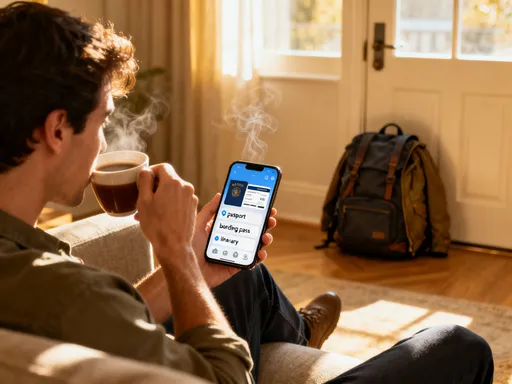
Let me paint you a picture of my new morning. Sunlight streams through the kitchen window. My daughter is eating oatmeal. My son is packing his backpack. I’m sitting at the table with my coffee—hot, not microwaved—and I open my phone. Just once. I tap the app. I see today’s agenda: school drop-off, grocery run, yoga at 10. And next week’s trip? All set. Flight confirmed. Hotel address saved. Passport scanned. Packing list checked. I don’t have to ask myself, "Did I forget something?" I already know. I’m ready.
Compare that to before. I used to start the day with a checklist in my head: Did I print the boarding pass? Is the hotel aware of my early arrival? Do I have the right outlet adapter? Now, those questions have answers—immediate, accurate, and stress-free. I remember one morning, my husband called from the garage: "Did you print the boarding pass?" Without looking up, I said, "No need. The app has the digital pass. It’s in my wallet.” He walked in, stunned. "You just… know?" I smiled. "I don’t have to know. The app does." That moment hit me. I wasn’t just saving time. I was reclaiming mental space. I wasn’t walking into the day burdened by "what ifs." I was walking in with confidence.
And it’s not just about me. My kids notice the difference. I’m not rushing. I’m not snapping. I have time to listen. I have time to hug. One morning, my daughter said, "Mom, you seem calmer now." That’s when I knew—this wasn’t just a tech upgrade. It was a life upgrade. The app didn’t change my responsibilities. But it changed how I carried them. Lighter. Smarter. With more grace.
Beyond the Trip: Building a Habit of Preparedness
Here’s what no one tells you: organization is a muscle. The more you use it, the stronger it gets. And once I started using the travel app regularly, I noticed something unexpected—my whole approach to life shifted. I began applying the same principles to other areas. I created folders for work projects. I added family events—doctor appointments, school plays, birthday parties. I even started tracking personal goals: "Read one book a month," "Walk 8,000 steps daily." The app became more than a travel tool. It became my personal command center.
And with that shift came a quieter confidence. I wasn’t waiting for crises to get organized. I was staying ahead of them. When my son needed his immunization records for camp, I didn’t panic. I opened the app, pulled up the scanned documents I’d saved during our last doctor’s visit, and emailed them in seconds. When my husband asked about our anniversary dinner reservation, I didn’t have to search my inbox. I had it logged in the app with the time, location, and even the wine we’d ordered last year. Small wins, yes. But they add up. And each one chipped away at the mental fatigue that used to weigh me down.
What surprised me most was how this habit improved our family life. We’re more connected. We’re less stressed. We plan together. My kids even use the app now—my daughter keeps her dance recital schedules in it, and my son tracks his soccer games. We share a family view, so everyone knows what’s coming. No more "I didn’t know!" excuses. No more missed events. Just clarity. And in a world that feels increasingly chaotic, that clarity is priceless. It’s not about perfection. It’s about presence. When I’m not worried about the details, I can be fully here—with my family, with my thoughts, with my life.
Choosing the Right Tools—Without Overcomplicating Life
Now, I know what you might be thinking: "Another app? Won’t that just add to the clutter?" I felt the same way. That’s why I’m careful about what I recommend. You don’t need a fancy, feature-packed tool. You need something simple, reliable, and easy to use—especially in the morning, when you’re half-awake and just want to get out the door. Look for a few key things. First, ease of access. Can you open it quickly? Does it work offline? If your phone has no signal at the airport, can you still see your boarding pass? That’s non-negotiable.
Second, security. Your passport and ID are sensitive. Make sure the app uses encryption and offers password protection or biometric login—fingerprint or face scan. I don’t trust just any app with that info. Third, cross-device sync. I start my day on my phone, but I often check details on my tablet or laptop. I need everything to update automatically, everywhere. No manual syncing. No lost data.
And finally, smart features that save time, not create it. Voice search is a lifesaver. I can say, "Show me my next trip," and it pulls it up—no typing. Reminders that auto-adjust if flight times change? Yes, please. Packing lists that you can customize and reuse? Even better. But avoid apps that bombard you with ads or push notifications for things you don’t need. The goal isn’t more noise. It’s more calm. I’ve tried a few, and I stick with one that feels like a quiet helper, not a demanding boss. It’s not the flashiest. But it’s the one I trust.
A Smarter, Lighter Way to Live
At the end of the day, this isn’t really about technology. It’s about time. It’s about peace. It’s about showing up for your life without the weight of "what did I forget?" on your shoulders. I used to think being organized meant being perfect. Now I know it means being prepared—not for everything, but for what matters. The travel app didn’t eliminate challenges. But it removed unnecessary ones. It gave me back my mornings. It gave me back my focus. It gave me back my calm.
And in a world that moves fast and demands more every day, that’s a gift. I’m not just surviving anymore. I’m thriving. I have time to breathe. Time to think. Time to enjoy the small moments—like my daughter’s laugh, my husband’s morning "good luck," the warmth of coffee in my hands. Technology, when used wisely, doesn’t take over your life. It protects it. It holds the details so you can hold what matters. So go ahead—try it. Start with one trip. One folder. Five minutes. You might just find, like I did, that the smallest change can bring the biggest relief. And your mornings? They can finally be yours.