More than habit tracking: How check-in apps finally gave me restful nights
We’ve all been there—lying awake, mind racing with unfinished tasks, tomorrow’s to-dos, and that nagging guilt for not “being productive enough.” I used to think late-night planning would help me sleep better. Instead, I felt more anxious. My phone’s glow lit up the ceiling as I scribbled notes, adjusted schedules, and mentally rehearsed tomorrow’s conversations. The irony? I was trying to calm down, but I was actually revving my brain up. Then I discovered something unexpected: the same apps I used to track learning goals quietly transformed my sleep. Not by pushing me harder—but by helping me pause, reflect, and truly wind down. It wasn’t a new meditation app or a sleep supplement. It was a simple shift in how I used a tool I already had. And that small change gave me something I hadn’t felt in years: peace at bedtime.
The Sleep Crisis Hiding in Plain Sight
Sleep troubles aren’t always about being unable to fall asleep. For many of us, especially women juggling home, family, and personal goals, it’s about what’s happening in our minds when we finally lie down. The day may be over, but our thoughts aren’t. They’re replaying that email we sent, wondering if the kids packed their lunches, or worrying about the dentist appointment next week. I used to lie there with my eyes closed, mentally scrolling through a never-ending checklist. Did I pay the bill? Did I respond to my sister? Why didn’t I start that online course I’ve been talking about for months?
The pressure to “do more” doesn’t stop when the sun goes down. If anything, it gets louder. And while we often blame screens or caffeine, the real culprit might be something quieter: the weight of unprocessed thoughts. I didn’t have insomnia—I had a full mind. My body was tired, but my brain was still in high gear. I’d read about sleep hygiene—no screens, cool room, consistent bedtime—but I’d follow all the rules and still feel wired. That’s when I realized: maybe I didn’t need another rule. Maybe I needed a way to gently close the day, not just shut off the light.
It’s easy to think technology is the enemy of sleep. We’ve all heard the warnings: blue light disrupts melatonin, notifications spike cortisol, endless scrolling keeps us alert. And yes, those things matter. But what if technology could also be part of the solution? Not by replacing rest, but by supporting it? I wasn’t ready to give up my devices completely—I use them for work, for staying in touch, for learning new things. But I started wondering: could the same tools that sometimes overstimulate me also help me slow down? That question led me to re-examine the one app I’d almost deleted: my daily check-in app.
How Learning Check-In Apps Got a Bad Reputation
When I first downloaded a check-in app, I was excited. I imagined tracking my progress, building better habits, and finally sticking to my goals. But within weeks, I felt worse. Every morning, a red notification reminded me I’d missed my streak. A progress bar taunted me with how far behind I was. Instead of feeling motivated, I felt guilty. The app that was supposed to help me grow started to feel like a critic, whispering, “You’re not doing enough.” I wasn’t alone. Many people have the same experience. These apps are often designed to push us—daily reminders, streak counters, achievement badges. They’re built for gamification, not grace.
I deleted the app twice. The first time, I thought, “I just need more willpower.” The second time, I thought, “These tools just don’t work for me.” But then I started hearing from other women—friends, moms in my community, even my sister—who said they used similar apps not to track output, but to reflect. One told me, “I don’t use it to see how much I did. I use it to remember how I felt.” That hit me. Maybe the problem wasn’t the app. Maybe it was how I was using it. What if I stopped seeing it as a report card and started seeing it as a conversation—with myself?
Check-in apps weren’t designed to make us feel bad. At their core, they’re about awareness. But too often, we use them to measure ourselves against an impossible standard. We focus on completion, not connection. We ask, “Did I do it?” instead of “What did it teach me?” The app didn’t change. I did. I realized I didn’t need to track every minute of my day. I needed a moment of pause. A soft landing at the end of a long day. And that’s when I decided to try something different: using my check-in app not to push forward, but to let go.
The Turning Point: From Tracking to Unwinding
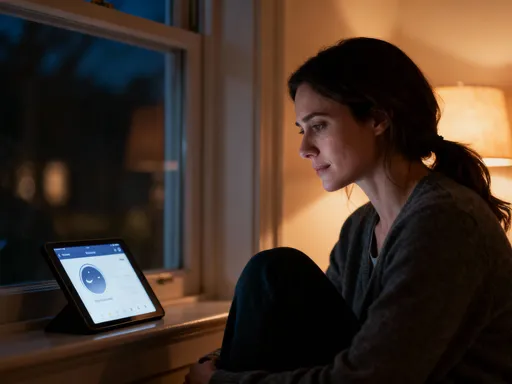
The shift started on a particularly exhausting Tuesday. My daughter had a fever, I missed a work deadline, and I burned dinner. As I lay in bed, my mind raced with everything I hadn’t done. I reached for my phone, ready to vent in my notes app, when I remembered my check-in app was still installed. I opened it—not to log a habit, but out of curiosity. The default prompt asked, “Did you complete your goal today?” I almost closed it. But then I edited the question. I changed it to: “What mattered today?”
I paused. That was a different kind of question. It wasn’t about success or failure. It was about meaning. I typed: “My daughter falling asleep on my shoulder after her fever broke. The five minutes I spent watering my plants without rushing. The way my husband made me tea without me asking.” I didn’t check a box. I just wrote. And something shifted. My breathing slowed. My shoulders dropped. For the first time in days, I wasn’t judging my day. I was remembering it.
That night, I fell asleep faster than I had in weeks. And it wasn’t because I’d “done more.” It was because I’d finally let myself feel enough. I realized the app wasn’t the problem. My approach was. Instead of using it to measure my worth by my output, I could use it to honor my experience. The next night, I added two more questions: “When did I feel calm today?” and “What can I let go of before tomorrow?” I answered them slowly, like I was talking to a friend over tea. No pressure. No score. Just reflection. That simple ritual—three questions, five minutes, no judgment—became my new bedtime routine. Not a productivity hack. A peace practice.
Designing a Sleep-Supportive Check-In Routine
Once I saw the potential, I wanted to make the experience even gentler. I didn’t want my phone to feel like a taskmaster at bedtime. So I customized the app to feel more like a companion. First, I turned off all achievement badges and streak reminders. Those little pings that once made me feel accomplished now felt like pressure. I didn’t need to be reminded I’d been consistent. I needed to feel calm.
Next, I changed the tone of the prompts. Instead of “Did you study for 30 minutes?” I wrote, “What did I learn today—big or small?” Instead of “Did I exercise?” I asked, “When did I feel strong or energized?” These small shifts made a big difference. The questions weren’t about performance anymore. They were about presence. I also switched the reminder time to 8:30 PM—early enough to reflect before my mind got busy again, but late enough to include the full day.
I started using a soft notification sound—something like a gentle chime, not a buzz. And I committed to answering the questions with voice notes sometimes, just speaking into my phone like I was journaling out loud. That felt even more personal. One night, I said, “Today was messy, but I showed up. That counts.” Hearing my own voice say that was powerful. It wasn’t about tracking habits. It was about building kindness.
If you’re thinking of trying this, start simple. Pick one question that feels warm, not demanding. Maybe it’s “What made me smile today?” or “Who made me feel seen?” Keep the tone gentle. And don’t worry about being consistent. Some nights, you might skip it. That’s okay. The goal isn’t perfection. It’s connection. Over time, your brain will start to associate that check-in not with pressure, but with release. And that’s when the magic happens—when your phone, usually a source of stress, becomes a tool for softening.
Syncing Mind and Body: How Reflection Prepares You for Sleep
What surprised me most was how quickly my body responded. Within a few days of this new routine, I noticed I wasn’t just sleeping better—I was winding down faster. I’d used to lie in bed for 45 minutes, mentally replaying the day. Now, I was asleep in 15. It wasn’t magic. It was neuroscience. When we reflect with kindness, we activate the parasympathetic nervous system—the part of our body that says, “It’s safe to rest now.”
Think of it like this: during the day, we’re in “doing” mode—planning, reacting, solving. Our sympathetic nervous system keeps us alert. But at night, we need to switch to “being” mode. That doesn’t happen automatically. Our brain needs a signal that the work is done. A to-do list isn’t that signal. But a gentle reflection is. When I answer, “What mattered today?” I’m telling my brain, “You don’t need to hold onto this anymore. I’ve seen it. I’ve honored it. Now we can rest.”
It’s like closing the tabs on your browser, one by one. Each answer is a soft closure. “When did I feel calm?” reminds me that peace is possible. “What can I let go of?” gives me permission to release what’s not mine to carry. These aren’t grand affirmations. They’re small acknowledgments. But they add up. Over time, I stopped fearing bedtime. I started looking forward to it. That quiet 10 minutes with my check-in app became a sanctuary—a moment where I wasn’t a mom, a worker, or a planner. I was just me.
And here’s the thing: this didn’t replace my other self-care practices. I still enjoy a warm bath or a good book. But those things work better when my mind isn’t racing. The check-in app became the bridge between my busy day and my restful night. It didn’t make mindfulness harder. It made it easier—because it fit into my real life, not some ideal version of it.
Real Life, Real Results: A Week Without Mental Overdrive
I decided to try this new approach for a full week. No late-night planning. No scrolling through emails in bed. Just my three check-in questions, answered slowly, with care. The first night, I almost skipped it. Old habits die hard. But I reminded myself: this isn’t about discipline. It’s about care. So I opened the app and asked, “What mattered today?” I wrote about the way my dog wagged his tail when I got home. The fact that I remembered to call my mom. The quiet moment I had with my coffee before the house woke up.
By night three, something shifted. I wasn’t dreading bedtime. I was ready for it. I found myself winding down earlier, not because I was forcing it, but because I felt done. My mind wasn’t buzzing. I wasn’t replaying conversations or making mental lists. I had already said goodbye to the day—gracefully. On night five, my husband said, “You seem calmer in the evenings now.” That meant more than any sleep tracker could measure.
I didn’t sleep eight hours every night. Some nights, I still woke up. But the difference was in how I responded. Instead of spiraling into worry, I’d take a slow breath and remind myself: “I already closed my day. I don’t need to reopen it.” That simple mindset kept me grounded. By the end of the week, I wasn’t just sleeping better. I was living better. I felt more present during the day. More patient with my kids. More kind to myself. The app didn’t change my life by making me more productive. It changed my life by helping me feel enough—exactly as I was.
Beyond Sleep: A Kinder Relationship with Progress
The biggest surprise wasn’t better sleep. It was a deeper shift in how I see myself. For years, I measured my worth by what I accomplished. Did I check the boxes? Did I meet the goals? But this practice taught me to measure growth differently—not by output, but by awareness. Not by how much I did, but by how fully I lived.
Now, when I open my check-in app, it’s not to prove anything. It’s to reconnect. I’ve stopped chasing perfection. I’ve started valuing peace. And that mindset has spilled into every part of my life. I’m less reactive. More reflective. I still have goals—I’m working on a photography course, I want to read more, I’m learning to cook one new recipe a week. But I’m no longer tied to my performance. If I miss a day, I don’t berate myself. I just ask, “What did I learn from that?”
These apps don’t have to be about pressure. They can be about presence. They can be about pause. They can be about honoring the small, quiet moments that make up a life. And for women like us—always giving, always doing, always caring for others—sometimes the most radical act is simply to stop and say, “I see you. I honor this day. I am enough.”
If you’re lying awake tonight, mind racing, heart heavy—try this. Open your check-in app, or a notes page, or just speak to yourself in the dark. Ask one gentle question. Let yourself answer without judgment. Let yourself release what you’ve been holding. You don’t need to fix anything. You just need to close the day with kindness. Because rest isn’t just about sleep. It’s about feeling safe in your own life. And sometimes, the right tool isn’t a new app. It’s a new way of using the one you already have.