How I Turned My Hobbies Into a Smarter Investment Game
What if the things you love doing could also help protect your finances? I used to see hobbies as just expenses—until I realized they could be part of a smarter asset diversification strategy. By blending passion with practical investing principles, I’ve built a more resilient portfolio. This isn’t about getting rich quick; it’s about using what you already enjoy to spread risk and create long-term value. Let me show you how it actually works.
The Hidden Cost of Passion (And How to Flip the Script)
For many, hobbies are a sanctuary—a break from the daily grind, a space for creativity, or a way to unwind. Yet behind the joy lies a quiet financial drain. Whether it’s gardening supplies, photography gear, or weekend craft fairs, these passions often come with recurring costs that rarely show up on a balance sheet. They’re treated as consumption, not contribution. But what if that mindset could change? What if, instead of viewing hobbies as purely personal indulgences, they were seen as potential contributors to long-term financial health? The shift begins with redefining what a hobby can be: not just a pastime, but a strategic part of a broader wealth-building plan.
This reframe is not about monetizing every interest or turning leisure into labor. It’s about recognizing that certain hobbies naturally align with tangible assets—items that can retain or increase in value over time. A well-maintained violin, a vintage camera, or a first-edition book may bring personal joy, but they also have market value rooted in scarcity, craftsmanship, and cultural demand. When approached with intention, these items become more than tools of enjoyment; they become components of a diversified portfolio. Unlike stocks or bonds, they are not tied to market cycles in the same way, offering a unique form of financial insulation.
Traditional investing advice often focuses on retirement accounts, index funds, and real estate—solid choices, to be sure. But in an era of economic volatility, inflation spikes, and digital uncertainty, relying solely on conventional assets can leave portfolios vulnerable. That’s where passion-based investing comes in. It doesn’t replace traditional strategies; it complements them. By allocating a small, thoughtful portion of one’s financial resources to hobby-related assets, individuals can achieve a more balanced, resilient financial structure. The key is to move beyond impulse and treat these purchases with the same care as any other investment decision.
Consider the psychological shift required: instead of asking “Do I really want this?” the investor learns to ask “Will this hold value? Is it rare? Is it well-made? Can it be preserved?” These questions don’t diminish the joy of the hobby—they deepen it. They transform casual interest into informed ownership, where every acquisition carries both emotional and financial significance. This dual-purpose mindset is what turns a simple collection into a meaningful asset.
Why Diversification Isn’t Just About Stocks and Funds
Diversification is a cornerstone of sound investing—spreading risk across different asset classes to protect against market swings. Most people understand this in terms of stocks, bonds, and mutual funds. But true diversification goes beyond Wall Street. It includes assets that behave differently from traditional markets, especially during times of economic stress. This is where passion-based investments shine. Unlike paper assets, which can plummet in value during a downturn, many tangible hobby assets—such as fine art, rare books, or classic instruments—have demonstrated resilience when financial markets falter.
The reason lies in correlation. Traditional investments often move in tandem; when one sector declines, others tend to follow. But passion assets frequently have low or even negative correlation with the stock market. For example, during the 2008 financial crisis, while equities dropped sharply, certain collectibles like vintage watches and high-end musical instruments held their value or even appreciated. This is not a fluke—it reflects the fact that these markets are driven by different forces: craftsmanship, rarity, cultural significance, and long-term demand from dedicated collectors. They are not subject to quarterly earnings reports or algorithmic trading.
Take the market for classic cameras. Over the past two decades, models like the Leica M3 or Nikon F have seen steady appreciation, not because they are used for everyday photography, but because they are prized for their mechanical precision and historical importance. Similarly, rare books—especially first editions of beloved authors—have shown consistent value growth, unaffected by stock market volatility. These assets don’t generate income like dividends, but they serve as stores of value, much like gold or real estate.
The lesson is clear: diversification should not be limited to financial instruments. Including passion assets in a portfolio introduces a stabilizing element, one that responds to different economic signals. This doesn’t mean abandoning traditional investing. Rather, it means expanding the definition of what counts as an asset. A well-balanced portfolio might include index funds for growth, bonds for stability, real estate for income—and a carefully curated collection of hobby-related items for resilience. The goal is not to chase high returns from collectibles, but to reduce overall risk by adding holdings that don’t move in lockstep with the broader market.
From Guitar to Gold: Real Assets That Double as Joy
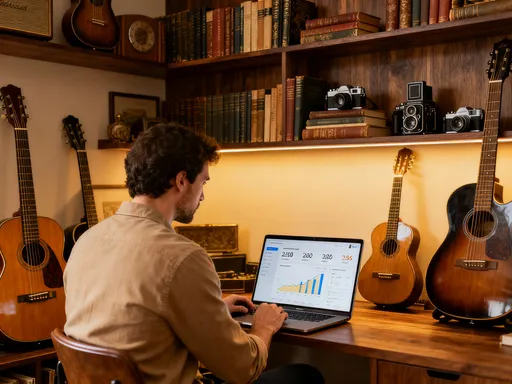
Not all hobbies lend themselves to financial value, but some do—naturally and consistently. These are the pursuits where passion and practicality meet. Consider the musician who invests in a high-quality acoustic guitar. A well-made instrument from a reputable maker, such as Martin or Gibson, can appreciate over time, especially if it’s vintage or limited edition. These guitars are not just tools for music—they are works of craftsmanship, often made with rare woods and hand-finished details. As supply dwindles and demand grows among serious players and collectors, their value increases.
Similarly, vintage cameras have become a quiet but powerful asset class. A fully functional Leica from the 1950s or a Hasselblad used in historic photojournalism can command prices in the tens of thousands of dollars. These items are not just relics; they represent a golden era of mechanical engineering and analog artistry. Collectors prize them not only for their functionality but for their story—their provenance, condition, and originality. The same principle applies to rare books. First editions of classics like *The Great Gatsby* or *To Kill a Mockingbird* have appreciated significantly, driven by literary significance and scarcity.
Even more niche interests can yield value. Specialty watches—particularly mechanical timepieces from Swiss makers like Patek Philippe or Rolex—have long been recognized as alternative investments. Unlike digital devices, these watches are built to last, often passed down through generations. Their value is supported by brand reputation, limited production runs, and meticulous craftsmanship. A Rolex Submariner from the 1970s, for example, can be worth many times its original price today, not because it tells better time, but because it represents enduring quality and design.
The key to identifying which hobbies can double as investments lies in three factors: scarcity, durability, and cultural staying power. Is the item rare? Can it be preserved over time? Does it have a dedicated community of enthusiasts? Hobbies centered on these principles—such as collecting stamps, coins, or fine wine—are more likely to produce lasting value. The investor doesn’t need to become a speculator; they simply need to choose wisely, buy well, and hold with care. Over time, the line between enjoyment and asset blurs, creating a portfolio that reflects both personal taste and financial prudence.
When Fun Meets Financial Discipline
Passion can cloud judgment. The thrill of acquiring a rare item, the emotional pull of a beloved hobby, or the desire to complete a collection can lead to impulsive spending—something that rarely ends well in investing. This is where financial discipline becomes essential. Turning a hobby into a smart investment requires setting clear rules and sticking to them. Without structure, even the most valuable pursuit can become a financial liability.
One of the most effective strategies is to establish a budget cap for hobby-related purchases. Decide in advance how much of your investment portfolio—say, 5% to 10%—can be allocated to passion assets. This prevents overcommitment and ensures that traditional financial goals, like retirement savings or emergency funds, remain the priority. Within that budget, set limits per acquisition. For example, if you collect vintage cameras, determine the maximum amount you’re willing to spend on a single model. This forces research, comparison, and thoughtful decision-making rather than emotional buying.
Another critical practice is setting a buy-and-hold timeline. Many passion assets appreciate slowly, over years or even decades. Selling too soon—out of impatience or short-term need—can erase potential gains. A disciplined investor treats these items as long-term holdings, similar to real estate or index funds. This means resisting the urge to flip items for quick profit and instead focusing on preservation and appreciation over time.
Exit strategies are equally important. Know under what conditions you would sell: perhaps if the market becomes overheated, if the item no longer brings joy, or if funds are needed for a larger financial goal. Documenting these rules in advance removes emotion from the decision-making process. Additionally, tracking acquisition costs, researching provenance, and consulting expert communities—such as collector forums or appraisal groups—can prevent costly mistakes. Authenticity matters. A fake signature on a rare book or a restored dial on a vintage watch can drastically reduce value. Verification isn’t just due diligence—it’s protection.
Balancing Risk Without Killing the Joy
No investment is without risk, and passion assets are no exception. They come with unique challenges: illiquidity, market bubbles, authenticity concerns, and the difficulty of accurate valuation. A rare guitar may be worth thousands, but selling it quickly at fair market value isn’t always easy. Unlike stocks, which can be sold with a few clicks, hobby assets often require time, effort, and the right buyer. This illiquidity means they should never be relied upon for emergency funds or short-term needs.
Market bubbles are another concern. When demand for a particular collectible surges—such as vintage sneakers or designer toys—prices can inflate beyond intrinsic value. What looks like appreciation may simply be speculation. When the trend fades, values can drop sharply. To avoid this, investors should focus on items with enduring appeal rather than fleeting fads. Time-tested categories like fine instruments, classic books, or high-end watches tend to be more stable because their value is rooted in quality and history, not hype.
Authenticity is a major issue in many collectible markets. Counterfeits exist in nearly every category, from art to watches to memorabilia. That’s why provenance—documented history of ownership—is so important. A guitar once owned by a famous musician, for example, carries more value if there’s proof. Investing in authentication services or purchasing through reputable dealers adds cost but reduces risk. Insurance is another key safeguard. High-value items should be covered against loss, theft, or damage. Many homeowner’s policies have limits on collectibles, so a separate rider may be necessary.
Finally, diversification within the passion portfolio itself is crucial. Just as you wouldn’t put all your money in one stock, you shouldn’t bet everything on one type of collectible. Owning a mix—say, a vintage camera, a rare book, and a specialty watch—spreads risk across different markets. Some may rise, others may stay flat, but the overall portfolio remains balanced. The goal isn’t to make every hobby pay off financially. It’s to enjoy the journey while building something of lasting value.
Tools and Habits of Successful Passion Investors
Sustainable passion investing doesn’t happen by accident. It requires systems—tools and habits that turn casual collecting into structured ownership. One of the most useful tools is an inventory tracker. Whether digital or physical, this record lists each item, its purchase date, cost, condition, and estimated current value. Regular updates help monitor appreciation and inform decisions about buying or selling.
Valuation apps and online marketplaces—such as Heritage Auctions, Christie’s, or specialized collector platforms—provide real-time insights into market trends. They help determine fair pricing and identify demand shifts. Staying informed prevents overpaying and supports smarter exits. Storage solutions are also critical. Proper preservation—climate-controlled cases, acid-free sleeves for books, or humidity-regulated cabinets for instruments—maintains condition and protects value. Neglect can erode years of appreciation in months.
Annual reviews are a powerful habit. Once a year, assess the entire passion portfolio: What has increased in value? What needs repair? What no longer brings joy? This ritual encourages reflection and discipline. It’s also an opportunity to realign spending with goals. If one category has grown too large, it may be time to pause acquisitions and rebalance.
Networking with other collectors builds knowledge and access. Joining clubs, attending shows, or participating in online forums connects investors with experts and potential buyers. These communities often share tips on authentication, restoration, and market trends. They also provide emotional support—reminding members that collecting is as much about connection as it is about value.
Tax implications should not be ignored. In many countries, selling collectibles can trigger capital gains taxes. Keeping detailed records of purchases, appraisals, and sales receipts simplifies reporting and may reduce liability. While taxes are a reality, they are a sign of success—an indication that the asset has appreciated. Proper record-keeping transforms what might seem like a burden into a sign of responsible ownership.
Building a Portfolio That Reflects You—And Protects You
True financial well-being goes beyond numbers. It includes peace of mind, personal fulfillment, and a sense of control. A portfolio that reflects who you are—your interests, values, and experiences—is more likely to be one you can stick with over time. When your investments include things you love, the discipline of long-term holding becomes easier. You’re not just waiting for a number to grow; you’re nurturing something meaningful.
This human-centered approach to investing doesn’t sacrifice prudence. It enhances it. By redirecting a portion of hobby spending toward assets that last, you turn consumption into contribution. That new camera lens isn’t just a cost—it could be the start of a valuable collection. The book you buy for pleasure might one day be a treasured heirloom. The guitar your child learns on could become a family legacy.
Diversification, at its best, is not a cold, mechanical process. It’s a thoughtful, intentional act of balancing risk and reward in a way that aligns with your life. Including passion assets in that mix doesn’t guarantee riches, but it does create a more resilient, personalized financial path. It’s about building a future where what you love isn’t just a hobby—it’s part of what helps you thrive.